The Science of Why Your Brain Needs a Florida Boat Day
Sometimes the most profound medicine doesn’t come in a bottle. It comes from the sun and the sea. Here’s what the research says about why a boat day feels so restorative, and why you should never feel guilty about taking one.
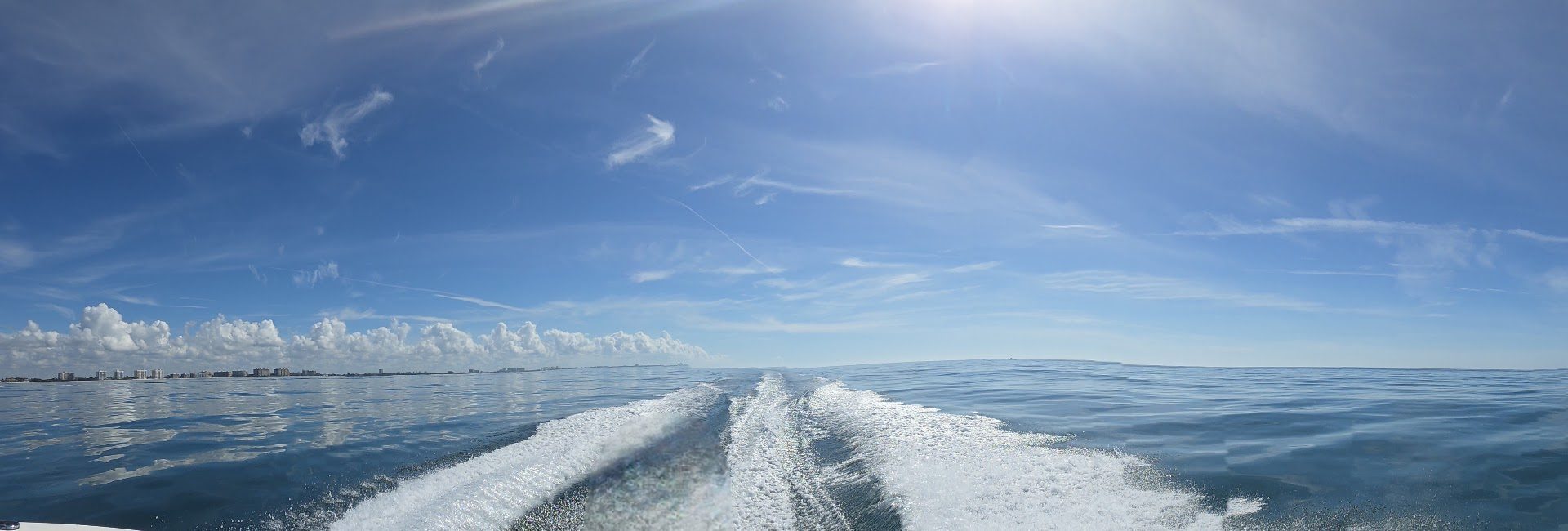
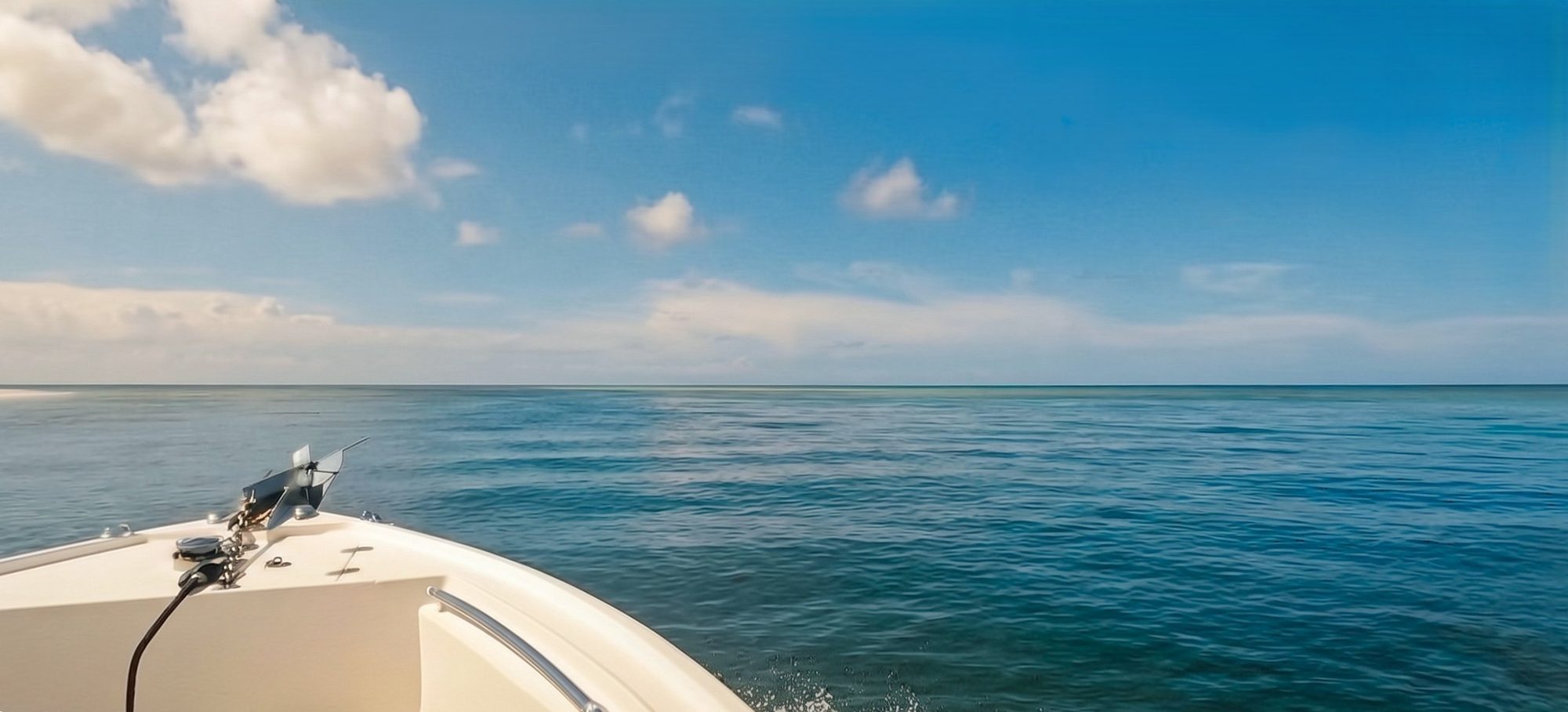
There’s a moment after you cast off, when the dock lines and fenders are stowed and you’re only idling forward, but with intention. Your shoulders drop an inch. Nobody announces it. Somebody in the back just stops checking their phone.
On a July 2025 episode of The Diary of a CEO, Dr. Roger Seheult, a lung and critical care specialist, told the story of a 15-year-old in Minnesota fighting leukemia and a fungal lung infection. His doctors gave him about two days. Asked how he wanted to spend them, he said: I want to go outside. So they wheeled his hospital bed outdoors. Over the next few days his oxygen needs dropped, his scans improved, and he eventually went home. He was still on his medications and a light therapy device, and Dr. Seheult is careful to say no one knows exactly what tipped the scales. But try hearing that and not wanting to step outside.
If sunlight and fresh air might matter that much to a body in crisis, imagine what a day on Sarasota Bay or the Gulf can do for a mind worn down by the hum of everyday life.
The research can’t fully explain that feeling yet, and we’re fine with that. Some things don’t need a study. But for those who like one: researchers call the place you’re headed “blue space,” and a 2017 review of 35 studies linked time there with better mental health and wellbeing.
The Two-Hour Prescription
A 2019 study of nearly 20,000 people, led by the University of Exeter, put a number on it: 120 minutes. People who spent at least two hours a week in nature, beaches included, were significantly more likely to report good health and wellbeing, whether they got it in one long afternoon or in short bursts. A half-day out near Siesta Key or Anna Maria Island clears that weekly bar twice. We’re not saying you should tell your boss it’s medical. We’re just saying the math works.
The Truth About Salt Air
You know that deep, involuntary sigh when you first hit the open Gulf? In 2006, the New England Journal of Medicine published a landmark study inspired by Australian surfers with cystic fibrosis, who said their lungs felt clearer after a day in the waves. Sure enough, patients who inhaled a sterile saltwater mist twice a day had significantly fewer lung flare-ups. A sandbar day isn’t medicine, and nobody has measured what bow spray does for healthy lungs. But those surfers were onto something, and anyone who has stood at the bow of our Mako or Sea Ray knows the feeling.
The Ultimate Soundtrack
We often think we need complete silence to relax. Turns out the water has a better idea. A 2021 review in the Proceedings of the National Academy of Sciences looked at the health effects of natural sounds and found that water sounds did the most for positive emotions and health outcomes.
When you drop anchor near Lido Key or pull up to Beer Can Island for the afternoon, try this: turn off the engine and leave the speaker off for five minutes. Let the water lap against the hull and the gulls do the talking. (Most of that research happened in labs, not on boats, so call it a strong hint.) Then pick your playlist.
Doing Beats Watching
Getting out on the water seems to do more for you than admiring it from a waterfront restaurant. A 2020 review in Health Promotion International looked at 33 “blue care” programs built around surfing, sailing, kayaking and fly-fishing, and found measurable, mostly short-term boosts to mood and wellbeing. It’s about being in the environment, not just near it.
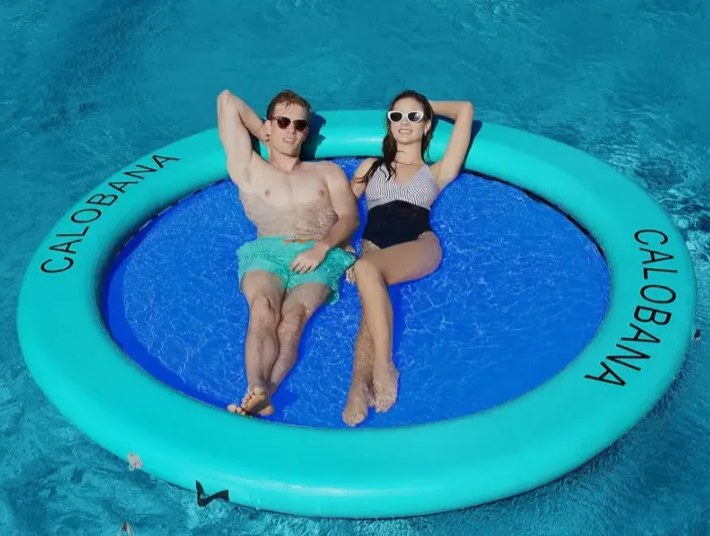
Consider that your scientific permission slip. Take the wheel for a stretch. Swim off the sandbar. Climb onto the inflatable ring, tie it off to the boat, and do absolutely nothing for twenty minutes.
For Locals: You Live Inside the Study
A study of about 26,000 adults in England found that living near the coast went with better mental health for people in lower-income households. If you live in Sarasota, the coast is already yours. The catch: living near the water and getting out on it are two different things. Plenty of locals drive past the bay every day and haven’t been on it since their cousins visited. You know who you are.
What Boaters Say (With a Disclosure)
In a boating-industry survey of 1,029 people, 79% of boat owners said boating helps them unwind and leave their pressures behind, and 71% said it brings them tranquility. Full disclosure: an industry group put it out, and boat owners rated themselves. It’s a bit like asking golfers whether golf is relaxing. We include it because it matches what we see at the ramp every afternoon.
How to Get Your Two Hours in Sarasota
The research keeps pointing the same way: get out on the water, stay a while, and do something while you’re there. Here’s how we’d do it.
- Go on a weekday morning. The water is often calmest early, and the sandbars are quieter before the weekend crowd.
- Go slow where the signs say so. Sarasota Bay has year-round manatee slow-speed zones, including around Bird Key, Lido Key and New Pass. Enjoy the excuse to look around.
- Put the phone in a dry bag. You’ll still have it for photos and emergencies. You just won’t be holding it.
- Bring more water than you think you need. Then actually drink it.
- Respect the Florida sun. Shade, a wide-brimmed hat, UV-blocking sunglasses, and broad-spectrum SPF 15+ sunscreen, reapplied every two hours and after every swim (that’s the CDC talking). The water reflects the sun, so you get it twice.
- Give it time. A full day leaves room for lunch at a dockside restaurant and a slow cruise home.
- Be back by sunset. That’s our rule, and the golden hour on the ride home is the best part anyway.
Visiting? Make it the big day of the trip. Book the morning, plan a dockside lunch, and save the beach towels for the sandbar.
Local? Be a tourist in your own bay. Go on a Tuesday. See your city from the water, and act like you do this all the time.
Guilt-Free Push
Our culture treats rest like a luxury and stress like a badge of honor. But your brain and body weren’t built to run on adrenaline and screen time. You don’t need to justify stepping away.
Ten minutes from home or a thousand miles from it, the water is right there. Take the wheel, float under the sun, and let the Gulf do what it does best.
Our fleet leaves right from Centennial Park in downtown Sarasota. On multi-day, weekly and monthly rentals, we can deliver the boat to your dock. See the fleet and book online, or call us at (941) 404-7900.
Keep reading: Green Boating: Eco-Friendly Tips to Keep Sarasota’s Waterways Clean
Sources
- The Boy Who Went Outside: Dr. Roger Seheult on The Diary of a CEO (July 17, 2025)
- Blue Space & Mental Health: Gascon et al., International Journal of Hygiene and Environmental Health (2017). Study Link
- The 120-Minute Rule: White et al., Scientific Reports (2019). Study Link
- Salt Air & Lungs: New England Journal of Medicine (2006). Study Link
- Water Sounds & Health: Pearson, Buxton et al., Proceedings of the National Academy of Sciences (2021). Study Link
- Blue Care & Activity: Britton et al., Health Promotion International (2020). Study Link
- Coastal Living: Garrett et al., Health & Place (2019). Study Link
- What Boaters Say: Discover Boating survey. Link
- Sun Safety: CDC. Link
- Manatee Zones: Florida Administrative Code 68C-22.026. Link